
Fun Facts Friday
Evolution of Dietary Guidelines

The revised US Dietary Guidelines from 2026-2030 were released yesterday to generally positive reviews as I discussed yesterday, the new pyramid upgraded foods such as beef, eggs and full fat dairy, while downgrading grains.
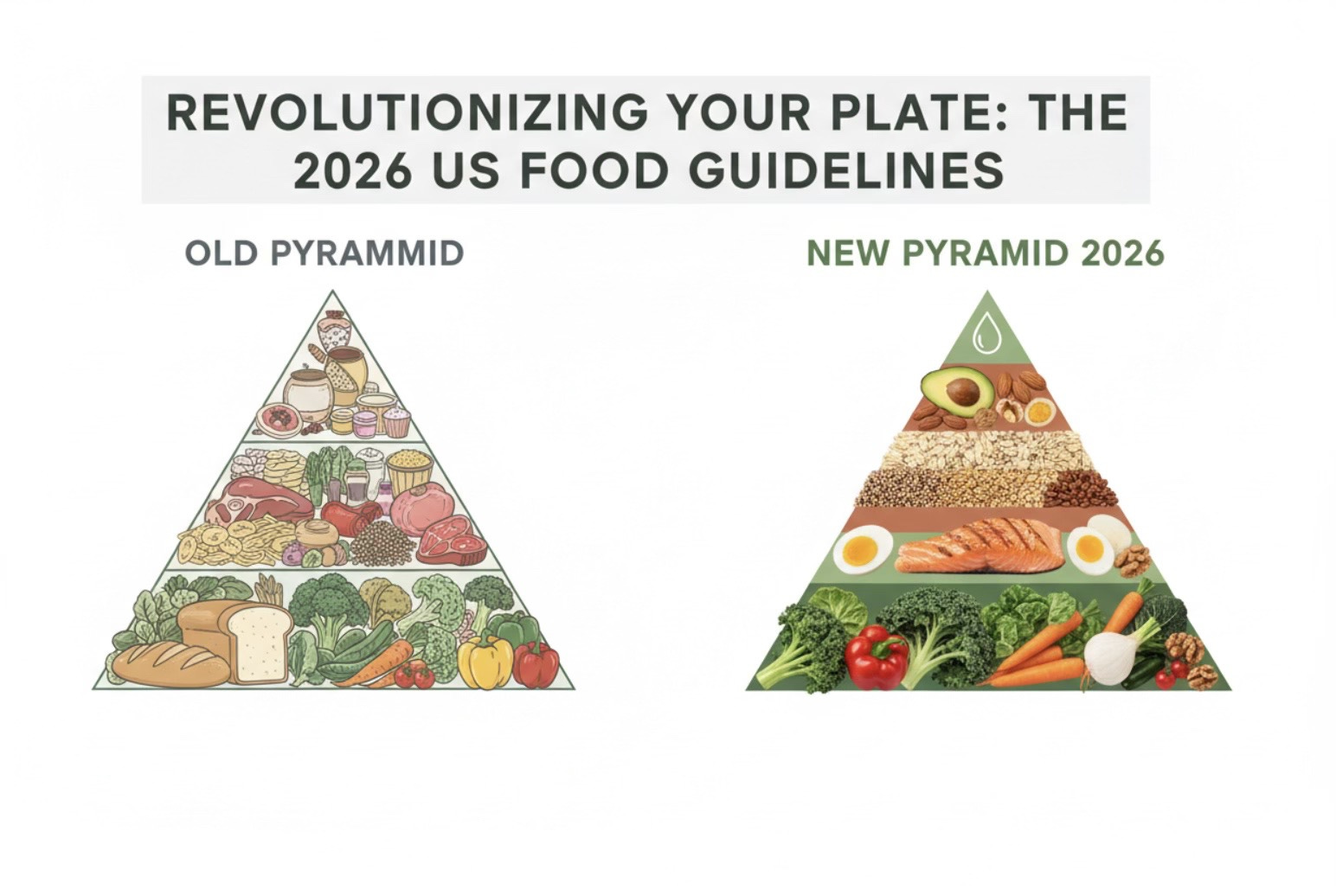
Here is a brief history of US Guidelines throughout the years:
Early Guidelines (1894-1940s)
The USDA’s first nutrition guidelines appeared in 1894 as a farmers’ bulletin by Dr. Wilbur Olin Atwater. His 1904 publication “Principles of Nutrition and Nutritive Value of Food” advocated variety, proportionality, and moderation in diet.
The USDA introduced food plans at four cost levels during the Great Depression in 1933, and in 1941, the first Recommended Dietary Allowances were created, specifying intakes for calories, protein, iron, calcium, and several vitamins.
Basic 7 (1943-1956)
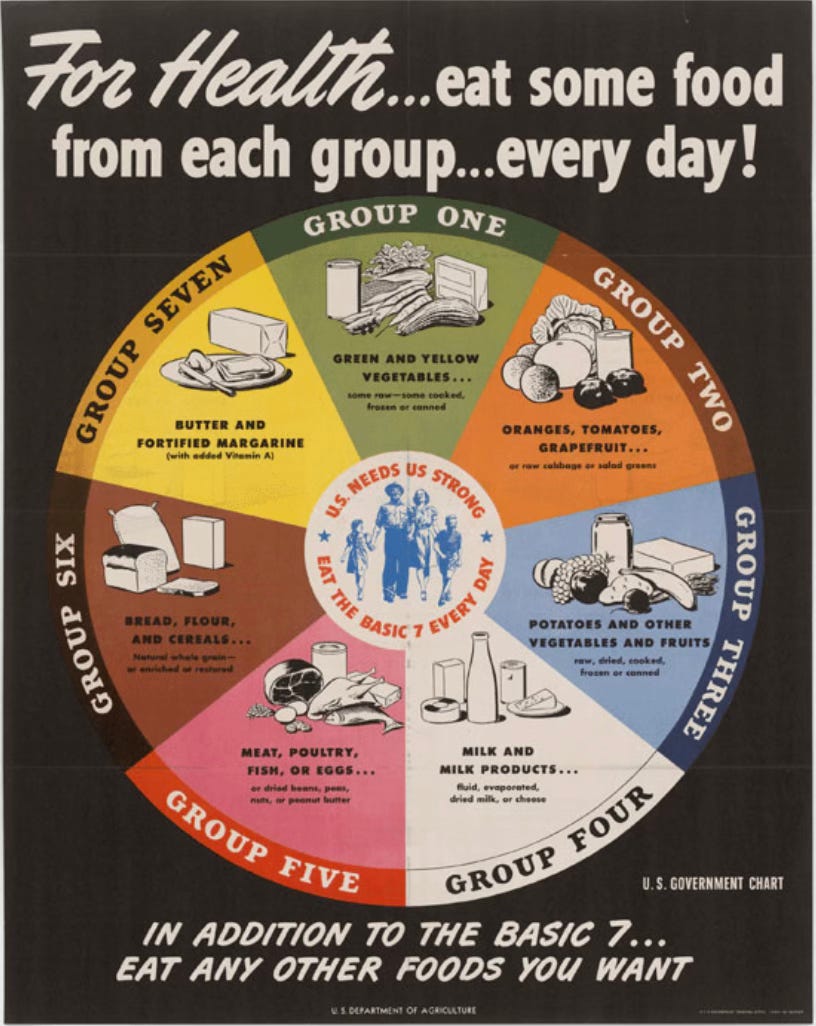
During World War II in 1943, the USDA introduced the “Basic 7” food groups to maintain nutritional standards under wartime rationing.
Basic Four (1956-1992)
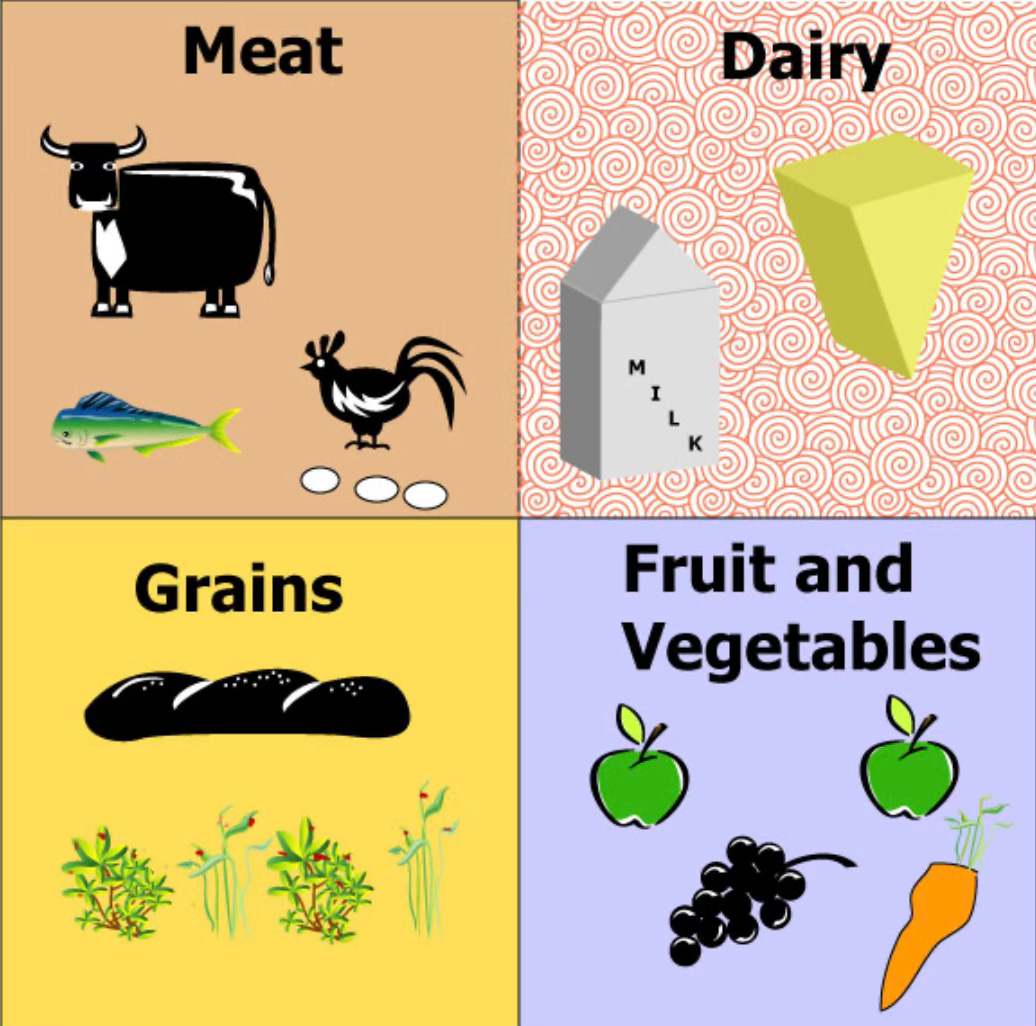
The Basic Four simplified nutrition guidance into four main food groups: milk, meat, fruits and vegetables, and bread and cereals. “Other foods” like butter, margarine, and sweets were suggested to round out meals.
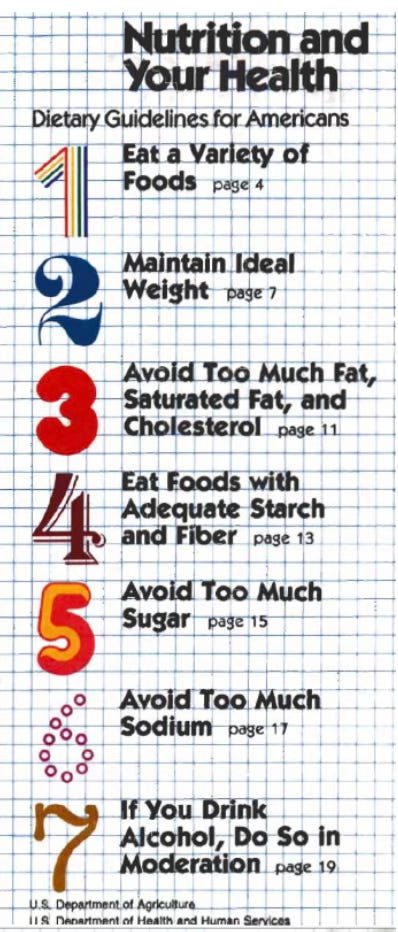
1977 Dietary Goals for the US (The McGovern Report)
The 1977 Dietary Goals for the United States were not based on a consensus among scientists and were mostly written by a Sen. McGovern staffer who was a vegetarian.
A second version of the report was published in 1980, with less stringent changes from the standard American diet.
Food Guide Pyramid (1992-2005)
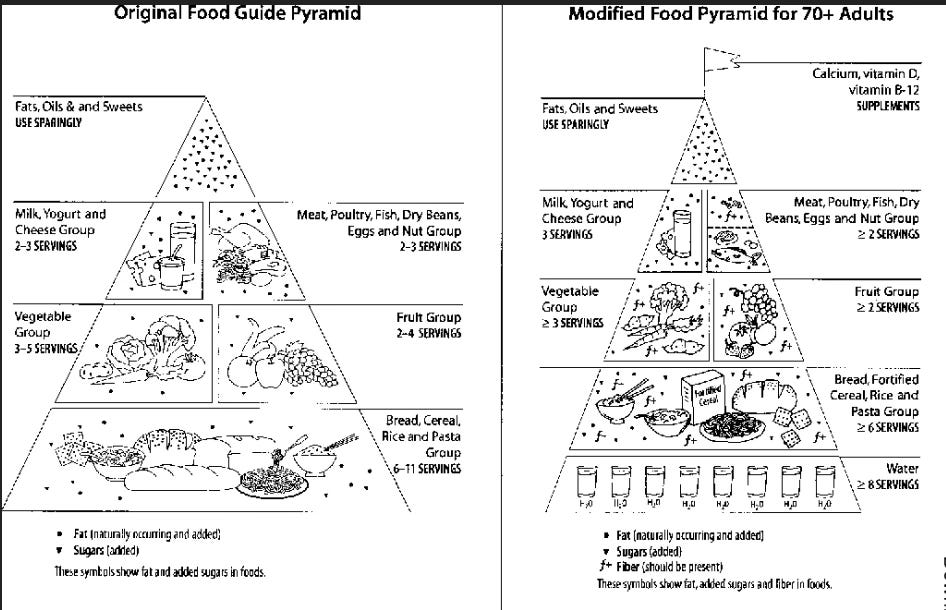
The 1992 Food Guide Pyramid was the first USDA guide to specify recommended servings for each food group. A modified version was also proposed specifically for adults over 70, emphasizing water consumption and nutrient-dense, high-fiber foods.
MyPyramid (2005-2011)
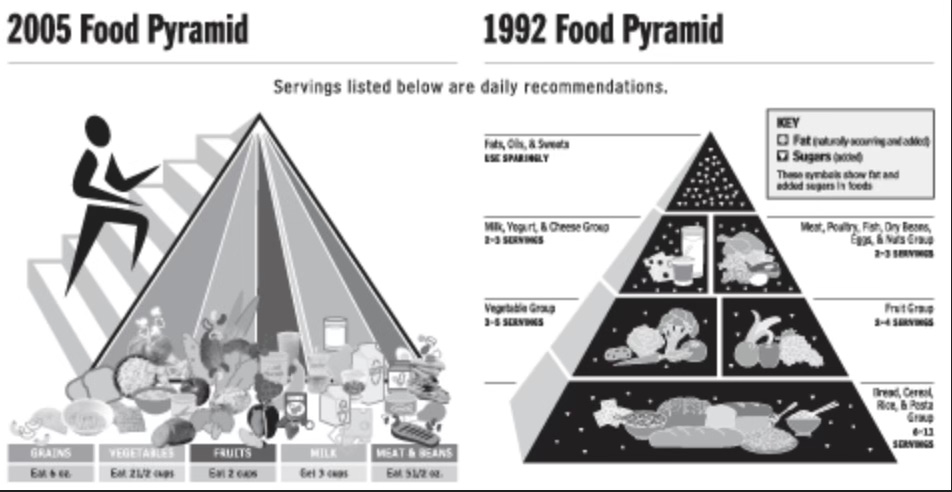
In 2005, MyPyramid replaced the hierarchical pyramid with vertical wedges and a person climbing steps to indicate the need for physical activity.
MyPlate (2011-2026)
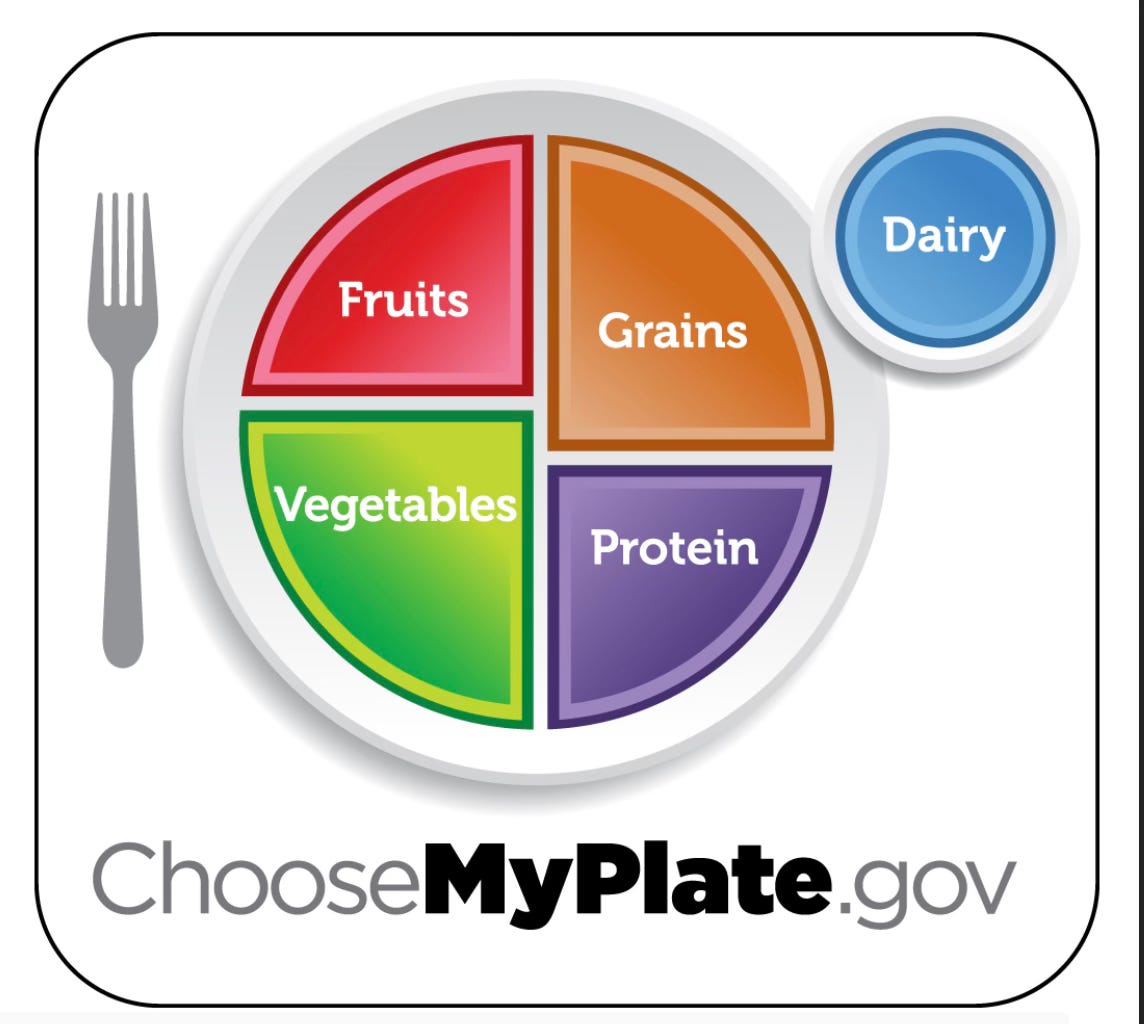
MyPlate abandoned pyramid iconography after 19 years, instead showing a plate divided into four wedges: two slightly larger ones for vegetables and grains, and two slightly smaller ones for protein and fruits, with a circle adjacent representing dairy (like a glass of milk).
Dietary Guidelines In Other Countries
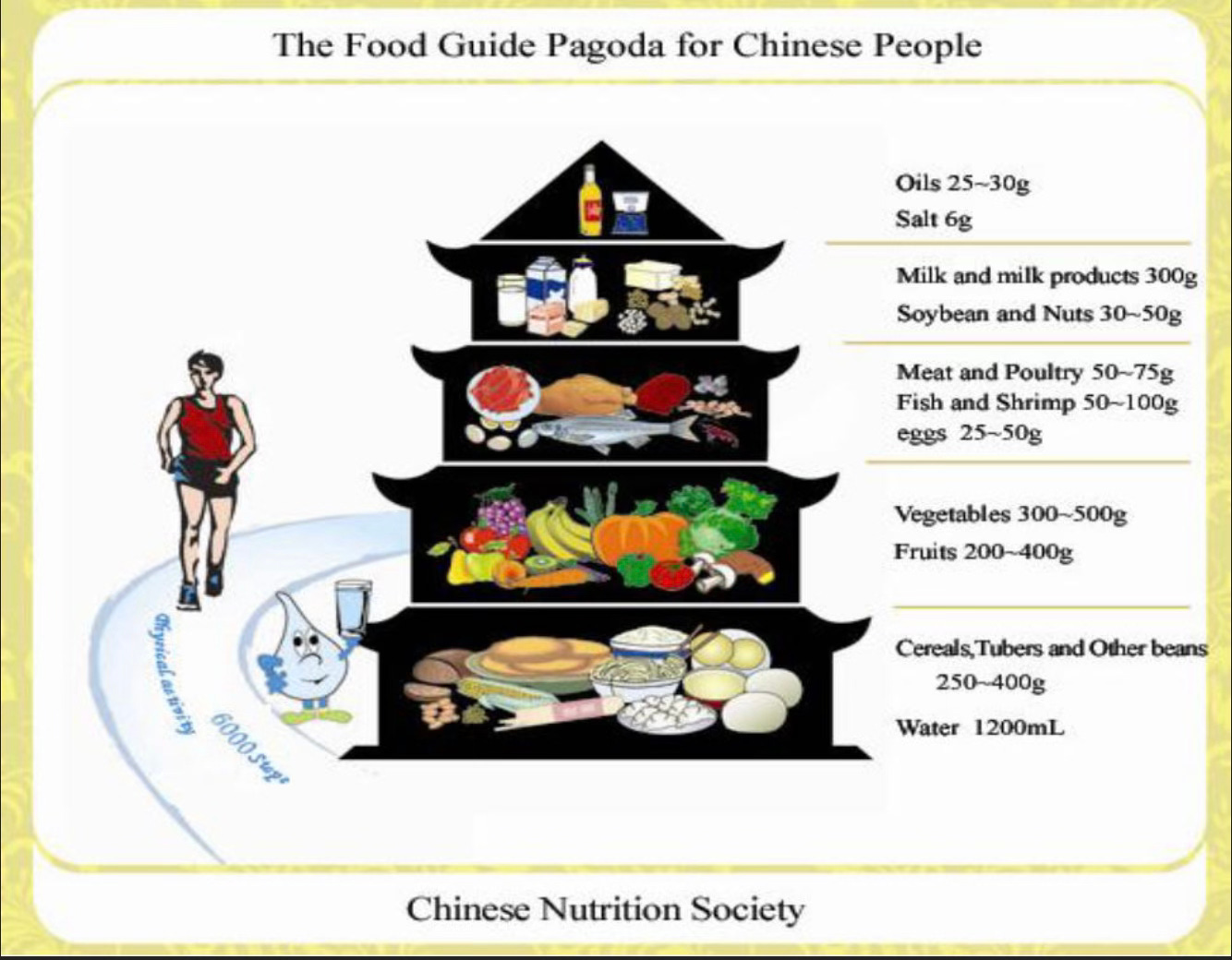
The Chinese have a Dietary Pagoda
The Dutch a wheel of 5

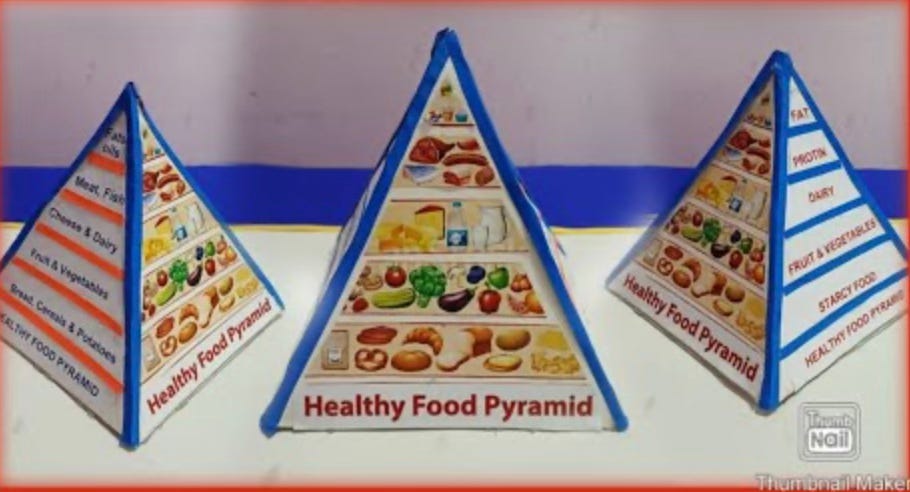
and the Germans a 3-D Pyramid
Brilliant walkthrough of how dramatically nutrition guidance has shifted over the decades. The Chinese Dietary Pagoda comparison is particularly revealing becuase it organizes food groups vertically like the old US pyramid but with very diffrent proportions, especially regarding grains. Had a nutritionist friend in Beijing point this out to me once and the cultural framing around staple foods was wildly different. The 1977 McGovern Report backstory about the vegetarian staffer is a detail that almost never gets mentioned but totally reframes that whole era.